
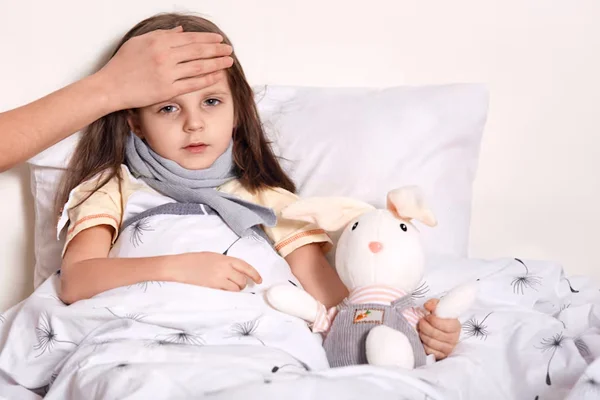
Children commonly experience illnesses as they grow. Fever, cough, cold, sore throat, stomach infections, vomiting, diarrhea, allergies, and respiratory problems are among the health concerns parents may encounter during childhood. While many common illnesses are mild and temporary, some symptoms require medical evaluation to determine the underlying cause and appropriate treatment.
Childhood illness management involves evaluating a child's symptoms, identifying possible causes, providing appropriate treatment, and monitoring recovery. Pediatric care also focuses on recognizing warning signs that may indicate a more serious condition.
For parents looking for childhood illness management in Faridabad, Aastha Hospital provides pediatric healthcare services for infants, children, and adolescents.
Childhood illness management is the medical evaluation and care provided when a child develops an illness or experiences concerning symptoms.
A pediatric consultation may include:
Treatment depends on the child's age, symptoms, medical history, examination findings, and the suspected cause of illness.
Children can develop various illnesses during their early years. Some common conditions include:
Most childhood illnesses can be managed effectively with appropriate evaluation and supportive care, but certain symptoms require prompt medical attention.
Fever is one of the most common reasons parents seek pediatric medical advice.
Fever is generally a response to an underlying infection or another medical condition. The importance of fever depends on factors such as the child's age, temperature, duration, associated symptoms, and general condition.
Parents should pay attention to symptoms occurring alongside fever, such as:
Very young infants with fever require prompt medical assessment.
Cough and cold symptoms are common among children, particularly those who attend school or daycare and are exposed to other children.
A pediatrician may evaluate symptoms such as:
Many respiratory infections are viral, but the appropriate diagnosis depends on the child's symptoms and clinical examination.
Parents should avoid giving children antibiotics or cough medicines without appropriate medical advice.
Some children experience recurrent wheezing, coughing, or breathing difficulties.
Pediatric assessment may help determine whether symptoms could be associated with asthma, allergies, respiratory infections, or another condition.
Parents should seek urgent medical care when a child develops significant breathing difficulty, rapid breathing, bluish lips or skin, or appears severely unwell.
Vomiting and diarrhea are common childhood problems and can sometimes lead to dehydration.
Parents should monitor:
Children who cannot keep fluids down, have significantly reduced urination, become unusually sleepy, or show other signs of dehydration may require prompt medical evaluation.
Children may develop allergies to foods, medicines, environmental allergens, or other substances.
Allergic symptoms can include:
A mild allergic reaction and a severe allergic reaction require different levels of care.
Difficulty breathing, swelling of the lips or tongue, dizziness, collapse, or other signs of a severe allergic reaction require immediate emergency medical attention.
Ear pain and sore throat are common reasons for pediatric consultations.
A healthcare professional can examine the child and determine whether the symptoms are likely to be related to an infection or another cause.
Treatment depends on the diagnosis. Antibiotics are not required for every ear or throat infection, particularly when the cause is viral.
Children may experience various skin conditions, including:
Parents should consult a pediatrician when a rash is persistent, spreading, associated with fever, painful, rapidly worsening, or accompanied by breathing difficulty or other concerning symptoms.
For mild illnesses, parents may be advised to provide supportive care at home while monitoring the child's condition.
Depending on the illness, supportive care may include:
Parents should follow the pediatrician's instructions regarding medication dosage and duration.
Medicines intended for adults should not be given to children unless specifically advised by a healthcare professional.
Hydration is particularly important when a child has fever, vomiting, or diarrhea.
Depending on the child's age and medical condition, healthcare professionals may recommend appropriate fluids or oral rehydration solutions.
Signs of possible dehydration include:
Severe dehydration requires prompt medical attention.
Many childhood infections are caused by viruses, against which antibiotics do not work.
Antibiotics should be used only when prescribed or recommended by a qualified healthcare professional for an appropriate bacterial infection.
Unnecessary antibiotic use can contribute to antibiotic resistance and may expose children to avoidable side effects.
Parents should not use leftover antibiotics or share medicines between children.
Preventive healthcare can reduce the risk of several infections and support overall child health.
Important preventive measures include:
Keeping recommended vaccinations up to date helps protect children against vaccine-preventable diseases.
Regular handwashing can reduce the spread of infections.
A balanced diet supports normal growth and immune function.
Children need sufficient sleep for healthy development and recovery.
Age-appropriate physical activity supports overall health.
Children should be protected from exposure to tobacco smoke and other harmful pollutants.
Some childhood symptoms require urgent medical evaluation.
Seek emergency medical assistance if a child experiences:
Parents should not delay emergency medical care when a child appears seriously unwell.
Aastha Hospital provides pediatric healthcare services in Faridabad for infants, children, and adolescents.
Childhood illness management may include evaluation and treatment of common pediatric conditions such as fever, respiratory symptoms, digestive problems, infections, allergies, skin conditions, and other acute health concerns.
The pediatric healthcare team assesses each child individually and provides treatment recommendations according to age, symptoms, medical history, and clinical findings.
Parents can also receive guidance regarding home care, medication use, hydration, nutrition, preventive healthcare, and follow-up.
Children may not always be able to explain their symptoms clearly. Changes in behavior, appetite, sleep, activity, or feeding can sometimes provide important clues about their health.
A pediatric consultation can help determine whether symptoms are likely to be mild and self-limiting or whether further medical evaluation is necessary.
Parents should seek professional advice when symptoms persist, become worse, recur frequently, or are associated with concerning changes in the child's overall condition.
Childhood illnesses are common, but appropriate medical evaluation can help parents understand the cause of symptoms and provide children with suitable care.
If you are searching for childhood illness management in Faridabad, pediatric illness treatment in Faridabad, child doctor in Faridabad, pediatrician in Faridabad, or child healthcare services in Faridabad, Aastha Hospital provides pediatric medical care for children across different age groups.
From common childhood infections and fever to respiratory, digestive, allergic, and other pediatric concerns, parents can consult a pediatric healthcare professional for appropriate evaluation and guidance.
1. What is childhood illness management?
Childhood illness management involves evaluating a child's symptoms, identifying possible causes, providing appropriate treatment, monitoring recovery, and advising parents about home care and follow-up.
2. What are common illnesses in children?
Common childhood illnesses include fever, cough, cold, sore throat, respiratory infections, vomiting, diarrhea, constipation, allergies, ear infections, and various skin conditions.
3. When should I take my child to a pediatrician for fever?
The need for medical evaluation depends on the child's age, fever duration, temperature, and associated symptoms. Very young infants with fever and children with concerning symptoms should be evaluated promptly.
4. Should I give antibiotics to my child for a cold or fever?
No. Many childhood infections are viral and do not respond to antibiotics. Antibiotics should be used only when recommended by a qualified healthcare professional.
5. How can I prevent common childhood illnesses?
Vaccination, hand hygiene, balanced nutrition, adequate sleep, physical activity, and avoiding exposure to tobacco smoke can support children's overall health and help reduce the spread of some infections.
6. What are signs of dehydration in children?
Reduced urination, dry mouth, lack of tears, unusual tiredness, reduced activity, and difficulty keeping fluids down can indicate dehydration and may require medical assessment.
7. Where can I get childhood illness management in Faridabad?
Aastha Hospital, Faridabad provides pediatric healthcare services for children with common illnesses, infections, respiratory concerns, digestive problems, allergies, and other pediatric health conditions.


Comments
Be the first to review