
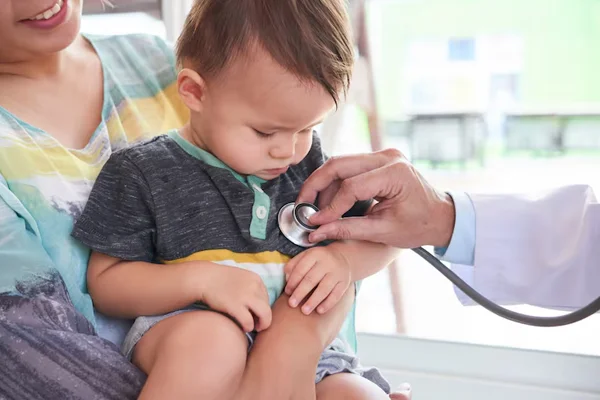
Children can develop sudden illnesses or experience accidents and injuries that require immediate medical attention. Unlike adults, children may not always be able to clearly explain what they are experiencing, making it important for parents and caregivers to recognize warning signs and seek timely medical help.
Pediatric emergency care is specialized medical care provided to infants, children, and adolescents when they experience a sudden illness, injury, or medical condition that requires prompt evaluation.
For parents looking for pediatric emergency care in Faridabad, Aastha Hospital provides medical support for children requiring urgent assessment and treatment. The pediatric healthcare team evaluates the child's condition and determines the appropriate course of care based on the severity and nature of the emergency.
Pediatric emergency care focuses on the rapid assessment and management of children experiencing acute medical problems.
Emergency situations can include:
The priority during a pediatric emergency is to assess the child's immediate condition, stabilize them when necessary, identify the possible cause, and provide appropriate medical management.
It can sometimes be difficult for parents to decide whether a child needs emergency care or a routine pediatric consultation.
Certain symptoms require prompt medical assessment, particularly when they appear suddenly or become progressively worse.
Seek urgent medical attention if your child has:
When a child's condition appears serious or is rapidly deteriorating, parents should seek emergency medical assistance without delay.
Children may require emergency care for a wide range of medical conditions. Some of the commonly encountered situations include the following.
Fever is common in children and is often associated with infections. However, very young infants, children with persistent fever, or children who appear significantly unwell may require prompt medical evaluation.
Emergency assessment may be particularly important when fever occurs along with:
The pediatrician can evaluate the child's symptoms and determine whether further investigations or treatment are required.
Respiratory problems can become serious quickly in children.
Emergency evaluation may be necessary when a child experiences:
Prompt medical evaluation can help determine the cause and the level of support required.
Children with repeated vomiting or diarrhea can lose fluids and electrolytes. Younger children can become dehydrated more quickly.
Warning signs can include:
A pediatric emergency evaluation can help assess hydration and determine the appropriate treatment.
Children are naturally active and may experience falls, sports injuries, road accidents, cuts, burns, or other injuries.
Some injuries that may require emergency medical evaluation include:
After an injury, children should be assessed promptly when there is loss of consciousness, repeated vomiting, severe pain, abnormal behavior, significant bleeding, difficulty moving a limb, or other concerning symptoms.
Head injuries require particular attention because symptoms may sometimes develop after the initial incident.
Seek urgent medical evaluation if a child develops:
The appropriate assessment depends on the mechanism of injury and the child's symptoms.
Some allergic reactions can become severe and require immediate medical attention.
Emergency symptoms may include:
A suspected severe allergic reaction should be treated as a medical emergency.
A seizure can be frightening for parents, especially if it is the child's first episode.
Emergency medical evaluation is particularly important when:
Parents should not attempt to restrain a child during a seizure or place objects inside the child's mouth.
Children may accidentally swallow medicines, household chemicals, or other potentially harmful substances.
If poisoning or accidental ingestion is suspected, seek emergency medical advice immediately. Parents should avoid inducing vomiting unless specifically instructed by a healthcare professional.
If possible, keep the packaging or container of the substance available for medical professionals so they can identify what may have been ingested.
When a child arrives for emergency care, the medical team first evaluates the child's immediate condition.
Assessment may include:
Depending on the situation, the doctor may recommend investigations such as blood tests or imaging.
The treatment plan is determined according to the child's symptoms, examination findings, and medical condition.
Children are not simply small adults. Their vital signs, medication requirements, fluid needs, anatomy, and responses to illness can vary according to age and developmental stage.
Pediatric emergency care takes these differences into account when assessing and managing an acutely unwell or injured child.
A pediatric-focused approach can help ensure that medical evaluation and treatment are appropriate for the child's age and condition.
During an emergency, parents should try to remain calm and seek professional medical help promptly.
Depending on the situation:
In a serious emergency, professional medical assistance should take priority over home treatment.
Aastha Hospital provides pediatric healthcare services in Faridabad, including medical assessment and support for children experiencing urgent health concerns.
The pediatric team can evaluate children with acute illnesses, injuries, dehydration, breathing problems, fever, vomiting, allergic reactions, and other conditions requiring prompt medical attention.
Every emergency is different, and the appropriate treatment depends on the child's age, symptoms, medical history, and clinical condition.
Parents can also consult the pediatric healthcare team regarding follow-up care after an emergency visit to help monitor the child's recovery.
Some pediatric emergencies require immediate medical assistance rather than waiting for a hospital appointment.
Call for emergency assistance or go to the nearest emergency medical facility if a child:
For potentially life-threatening situations, seek emergency medical help immediately.
When a child becomes suddenly unwell or suffers an injury, timely medical assessment can be important. Pediatric emergency care is designed to identify urgent problems, provide appropriate stabilization and treatment, and determine whether further observation or specialized care is required.
If you are searching for pediatric emergency care in Faridabad, pediatric emergency hospital in Faridabad, child emergency care in Faridabad, or 24-hour pediatric care in Faridabad, Aastha Hospital provides pediatric healthcare support for children and families.
For non-emergency concerns, parents can also schedule a routine pediatric consultation to discuss ongoing symptoms, growth, nutrition, development, and preventive healthcare.
1. What is pediatric emergency care?
Pediatric emergency care is medical care for infants, children, and adolescents who experience sudden illnesses, injuries, or other conditions requiring prompt evaluation and treatment.
2. When should I take my child to the emergency department?
Children should receive urgent medical evaluation for serious breathing difficulties, seizures, loss of consciousness, severe bleeding, major injuries, severe dehydration, suspected poisoning, serious allergic reactions, or rapidly worsening symptoms.
3. Is high fever always a pediatric emergency?
Not every fever is an emergency. However, fever in very young infants or fever accompanied by breathing difficulty, seizures, severe weakness, dehydration, altered responsiveness, or other concerning symptoms requires prompt medical evaluation.
4. What should I do if my child has a head injury?
A child with loss of consciousness, repeated vomiting, severe or worsening headache, seizures, confusion, unusual sleepiness, or other concerning symptoms after a head injury should receive urgent medical assessment.
5. Can children with breathing problems receive emergency care?
Yes. Significant breathing difficulty requires prompt medical evaluation. The healthcare team can assess oxygen levels, breathing, and the underlying cause and provide appropriate treatment.
6. What should I do if my child accidentally swallows medicine or chemicals?
Seek emergency medical advice immediately. Do not induce vomiting unless specifically instructed by a healthcare professional. Keep the substance's packaging available if possible.
7. Where can I get pediatric emergency care in Faridabad?
Aastha Hospital, Faridabad provides pediatric healthcare services for children requiring urgent medical evaluation and care.


Comments
Be the first to review