
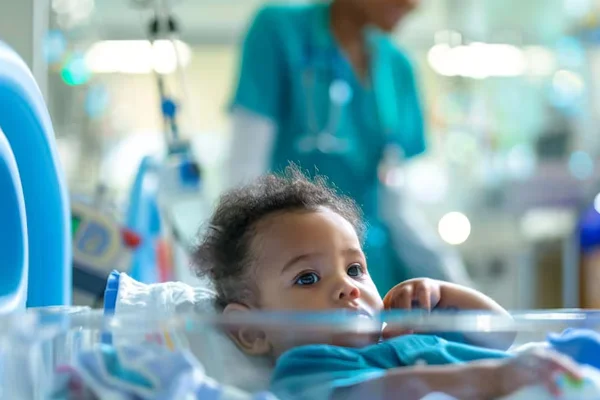
Newborn babies sometimes require specialized medical attention after birth, particularly when they are born prematurely, have low birth weight, experience breathing difficulties, develop infections, or need close monitoring. In such situations, a Neonatal Intensive Care Unit (NICU) provides specialized medical care and continuous observation for newborns who need additional support.
For parents looking for NICU care in Faridabad, Aastha Hospital provides specialized newborn healthcare with medical monitoring and supportive care based on the individual needs of each baby.
NICU care is designed for newborns who require a higher level of medical supervision than can be provided in a routine newborn care setting. The type and duration of care depend on the baby's gestational age, birth weight, medical condition, and response to treatment.
A Neonatal Intensive Care Unit (NICU) is a specialized hospital unit designed to care for newborn babies who require close monitoring, medical treatment, or supportive care.
Babies may need NICU care for several reasons, including:
The healthcare team assesses the baby's condition and provides care according to the specific medical requirements.
Not every newborn requires intensive care. However, certain babies have a greater likelihood of needing specialized neonatal monitoring.
NICU admission may be considered for babies who are:
Babies born before completing the expected period of pregnancy may have immature lungs and other developing body systems. Depending on their condition, premature babies may require respiratory support, temperature regulation, feeding assistance, and close monitoring.
Low-birth-weight babies may have difficulty maintaining body temperature, feeding effectively, or maintaining stable blood glucose levels. NICU monitoring can help healthcare professionals assess these factors closely.
Some newborns experience difficulty breathing shortly after birth. Depending on the severity, they may require oxygen or other forms of respiratory support and continuous monitoring.
Newborns can be vulnerable to infections. If an infection is suspected, doctors may recommend investigations, monitoring, and appropriate treatment.
Some premature or unwell newborns may not be able to feed effectively by breast or bottle. They may require additional feeding support until they are able to feed safely and adequately.
NICU care involves continuous or frequent assessment of important aspects of a baby's health.
Depending on the baby's condition, the healthcare team may monitor:
Monitoring allows the medical team to identify changes in the baby's condition and respond appropriately.
Breathing problems are one of the reasons some newborns require NICU admission.
Depending on the underlying condition, a baby may require different levels of respiratory support. This can range from supplemental oxygen to more advanced forms of respiratory assistance.
The healthcare team determines the appropriate level of respiratory support based on the baby's breathing pattern, oxygen levels, gestational age, and overall medical condition.
The goal is to provide the necessary support while monitoring the baby's progress closely.
Premature babies may need additional support because their organs and body systems are still developing.
NICU care for premature babies may involve monitoring and support for:
As the baby becomes more stable and develops the ability to feed and maintain body temperature, the level of medical support may be adjusted according to the clinical condition.
Low birth weight can affect a newborn's ability to maintain body temperature and receive adequate nutrition.
NICU care may include careful monitoring of feeding, weight, temperature, hydration, and blood glucose when medically indicated.
Regular weight assessments can help the healthcare team understand whether the baby is progressing appropriately.
Jaundice is common among newborn babies. It causes a yellowish appearance of the skin and eyes because of increased bilirubin levels.
While many newborns with jaundice require only observation, some babies may need additional testing or treatment.
When clinically indicated, treatment may include phototherapy, along with monitoring of bilirubin levels and the baby's overall condition.
The medical team determines the appropriate management based on the baby's age, bilirubin level, gestational age, and other clinical factors.
Adequate nutrition is essential for newborn growth and recovery.
Some babies admitted to the NICU may initially have difficulty breastfeeding or feeding independently. Depending on the baby's condition, feeding may require additional support.
The healthcare team may monitor:
Parents can also receive guidance regarding breastfeeding, expressing breast milk, and feeding their newborn during and after the NICU stay.
Newborn babies have developing immune systems and may be vulnerable to infections. Certain signs or risk factors may lead doctors to evaluate a baby for possible infection.
NICU care can include close observation for changes in:
If an infection is suspected, the medical team may recommend appropriate investigations and treatment.
Having a newborn admitted to the NICU can be stressful for parents. Communication between parents and the healthcare team is an important part of neonatal care.
Depending on the baby's medical condition and hospital protocols, parents may be guided about:
Parents should feel comfortable discussing questions and concerns with the neonatal healthcare team.
NICU discharge does not necessarily mean that all follow-up care is complete. Some babies may require continued pediatric or neonatal follow-up after returning home.
Follow-up may include monitoring:
The healthcare team may provide parents with specific discharge instructions and follow-up recommendations based on the baby's condition.
Parents should seek urgent medical care if a newborn develops concerning symptoms such as:
Newborns can become unwell quickly, so concerning symptoms should be evaluated promptly.
Aastha Hospital provides pediatric and newborn healthcare services in Faridabad, including medical care for newborns who require closer monitoring and specialized neonatal support.
The NICU care team focuses on assessing each baby's individual medical needs and providing appropriate monitoring, supportive care, feeding assistance, respiratory support when required, and management of neonatal conditions.
Parents can discuss their baby's condition, treatment plan, feeding, expected progress, and follow-up requirements with the healthcare team.
Early recognition and appropriate management of neonatal health problems can be important for a baby's well-being. Babies who require intensive monitoring benefit from a setting where their vital signs and clinical condition can be observed closely.
NICU care brings together specialized equipment, trained healthcare professionals, monitoring, and medical support to address the needs of vulnerable newborns.
If your newborn has been advised NICU admission or requires specialized neonatal monitoring, discuss the baby's condition and treatment options with a qualified neonatal healthcare professional.
Finding the right medical support for a newborn can be an important decision for parents. If you are searching for NICU care in Faridabad, neonatal intensive care in Faridabad, newborn ICU in Faridabad, or premature baby care in Faridabad, Aastha Hospital provides specialized healthcare services for newborn babies.
Whether your baby requires monitoring because of premature birth, low birth weight, breathing difficulties, feeding problems, jaundice, infection, or another neonatal condition, timely medical evaluation can help determine the appropriate level of care.
1. What is a NICU?
A NICU, or Neonatal Intensive Care Unit, is a specialized hospital unit that provides medical care and close monitoring for newborn babies who require additional support.
2. Which babies may require NICU admission?
Premature babies, low-birth-weight babies, and newborns with breathing difficulties, infections, feeding problems, jaundice, or other medical concerns may require NICU care depending on their condition.
3. How long does a baby stay in the NICU?
The duration varies from baby to baby. It depends on factors such as gestational age, birth weight, medical condition, feeding ability, breathing, and overall progress.
4. Can premature babies be cared for in a NICU?
Yes. NICUs provide specialized monitoring and supportive care for premature babies. The level of support depends on the baby's gestational age and individual medical needs.
5. Do babies in the NICU always require a ventilator?
No. NICU admission does not automatically mean that a baby needs a ventilator. Some babies require only monitoring or limited supportive care, while others may need respiratory support depending on their condition.
6. Can parents visit their baby in the NICU?
NICU visitation and parent participation depend on the baby's condition and the hospital's protocols. Parents should follow the instructions provided by the neonatal healthcare team.
7. Where can I get NICU care in Faridabad?
Aastha Hospital in Faridabad provides newborn and pediatric healthcare services, including specialized care for babies who require neonatal monitoring and support.


Comments
Be the first to review